01
Source
Baton Rouge swamp blues: rural, amplified, patient, and rhythmically deep.
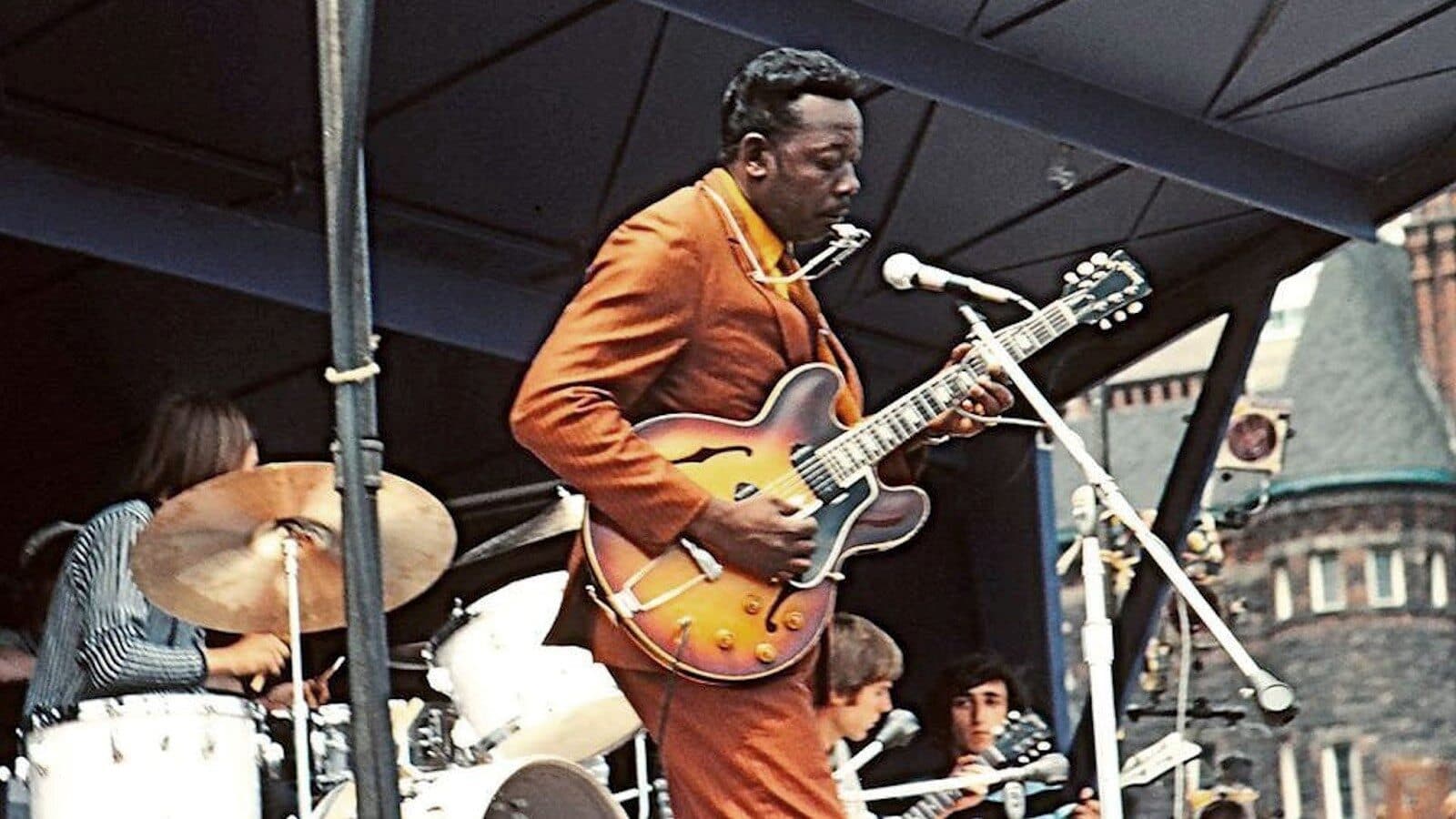
Legacy & Influence
Slim Harpo's sound moved quietly, then everywhere: from Louisiana rooms into R&B radio, British blues clubs, rock records, harmonica vocabulary, and the living archive.
01
Baton Rouge swamp blues: rural, amplified, patient, and rhythmically deep.
02
Sparse records moved through R&B radio without losing their Louisiana center.
03
British blues and rock groups found stage language inside the economy of the records.
The legacy is not one straight line. It is a set of durable signals: restraint, rhythm, harmonica texture, record collecting, and songs that musicians kept carrying forward.
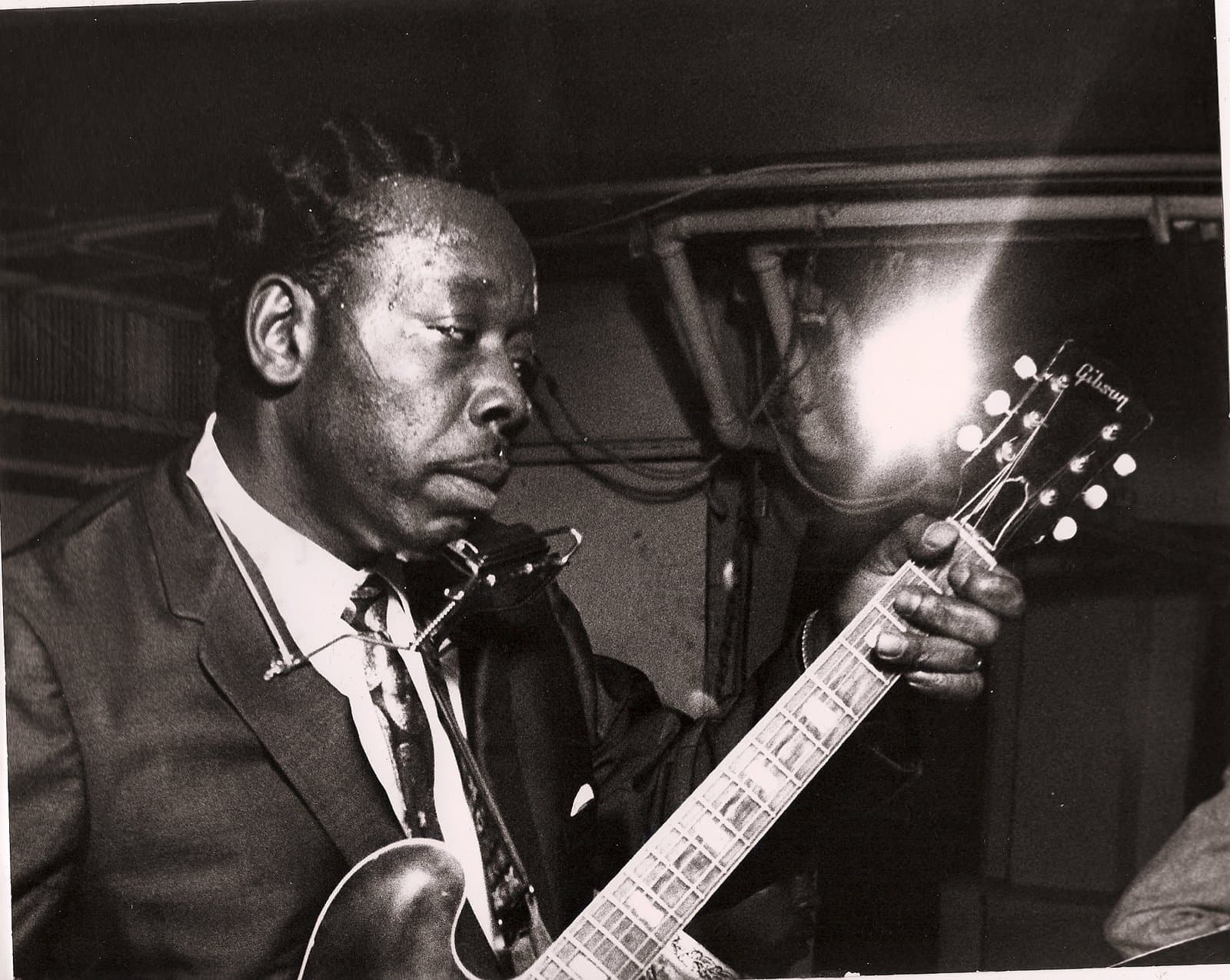
The restraint was not emptiness. It was the part listeners could carry with them.
01
02
03
04
05
06
The Port Allen marker turns Slim Harpo's Lobdell story into a real roadside stop: a physical place where the birthplace, the cemetery, and the music history meet.
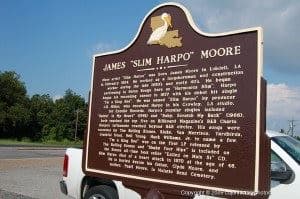
Roadside Archive
The West Baton Rouge marker sits near U.S. 190 and South Mulatto Bend Road in Port Allen, tying the Lobdell birthplace story to the hits that later moved through R&B, British blues, and rock records.
The documentary is its own chapter: a screen story built from interview memory, family voices, and the musicians who helped carry the King Bee name forward.
Documentary
The film tells Slim Harpo's story through a 1968 interview with Susan Cassidy Clark and the memories of Lovell Moore, William Gambler, and members of the Original King Bee band. It turns the records back toward the people who carried the name forward.
Tune the swamp-blues signal from Louisiana rooms into R&B radio, British blues clubs, rock albums, harmonica vocabulary, and the living archive.
Now receiving
Baton Rouge Swamp Blues
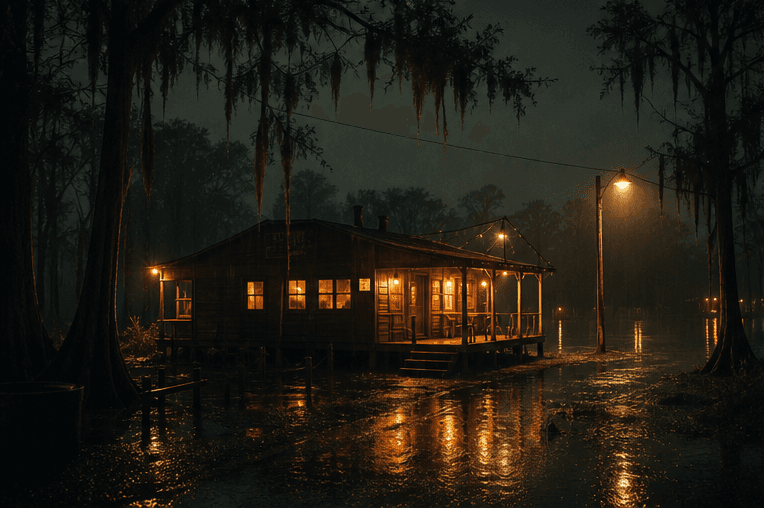
Generated place image
Source
Not louder. Deeper.
Stop 01 of 06
Operator log
Slim Harpo became one of the definitive voices of the Baton Rouge blues sound: rural, amplified, patient, and rhythmically deep.
Generated atmosphere plate placing the sound back in a south Louisiana night-world without inventing a specific historical scene.
Route sequence
Records in the signal
I'm a King Bee
1957
Got Love If You Want It
1957
Image details
Cypress silhouettes and black water turn the route map into a place, not just an idea.
The amber doorway glow suggests the jukebox rooms where a spare groove could feel enormous.
The low horizontal light echoes the patient pace of swamp blues.
Slim Harpo's songs did not stay frozen in the archive. Original single art, archive photos, and release cover art from the groups who remade the songs show how his Louisiana pulse moved into British blues, garage R&B, roots rock, and blues-rock sets.
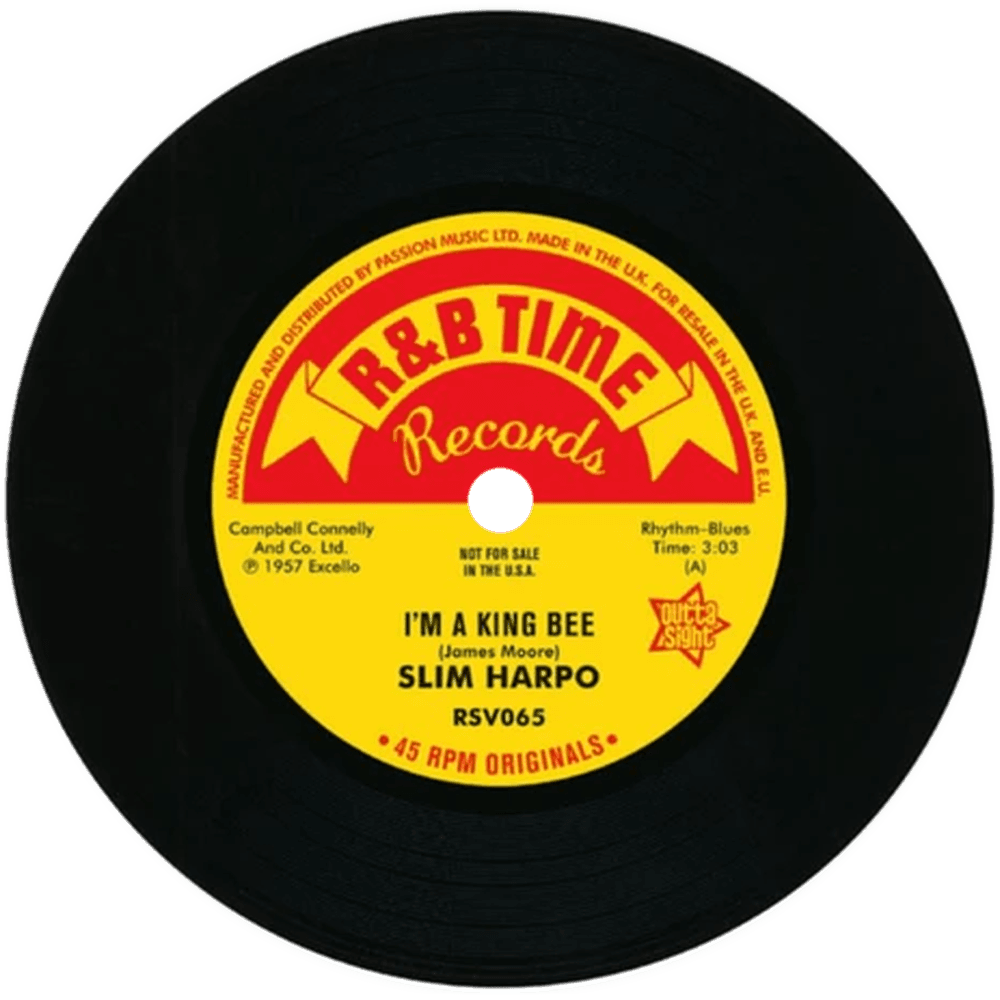 OriginalI'm a King Bee
Route 01 / 06
Slim Harpo original
I'm a King Bee

Remake scene
England's Newest Hit Makers
British blues and R&B
The Rolling Stones' early album cover puts the remake route inside the British R&B record world that carried I'm a King Bee to new listeners.
Their early recording helped introduce Slim Harpo's hypnotic debut single to rock listeners on both sides of the Atlantic.
Baton Rouge to London clubs
What the images add
Original-side art keeps the 1957 Slim Harpo source visible.
The Rolling Stones cover shows the receiving culture: young British players translating American blues records into band identity.
The route reads as a physical handoff: Baton Rouge single to London club repertoire and album shelves.
The music archive and gallery add more entry points for students, listeners, researchers, and partners.