Name
James Isaac Moore
The Louisiana artist known worldwide as Slim Harpo.
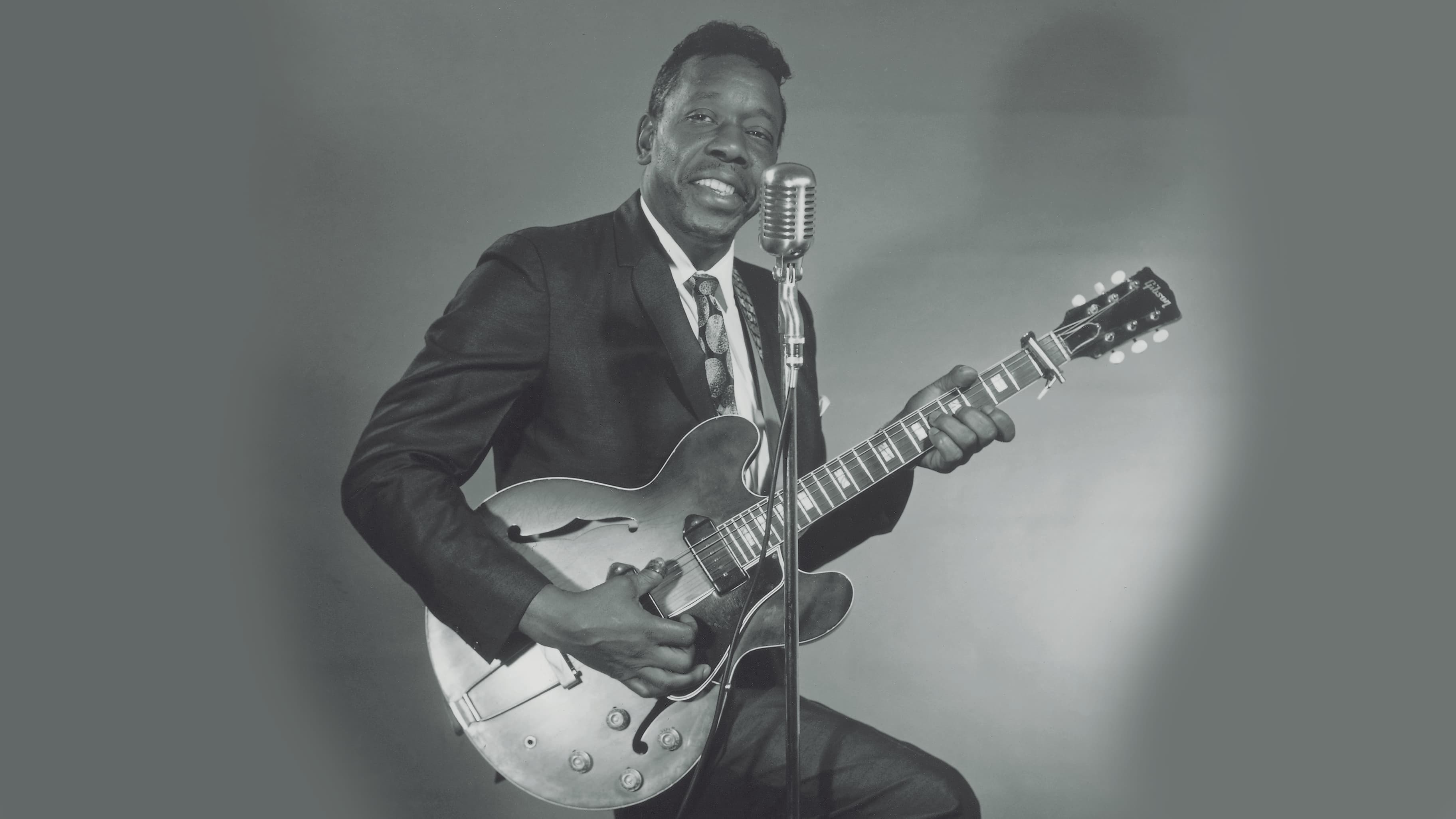
James Isaac Moore
Space, restraint, harmonica, guitar, and Louisiana rhythm became a sound that still feels like a spell.
Name
The Louisiana artist known worldwide as Slim Harpo.
Sound
Voice, harmonica, guitar, rhythm, and room to breathe.
Reach
A spare Louisiana groove carried forward by listeners and musicians.
Slim Harpo's records do not overwhelm the listener. They leave room for the rhythm, the vocal, and the humid edge of the harmonica to do the work.
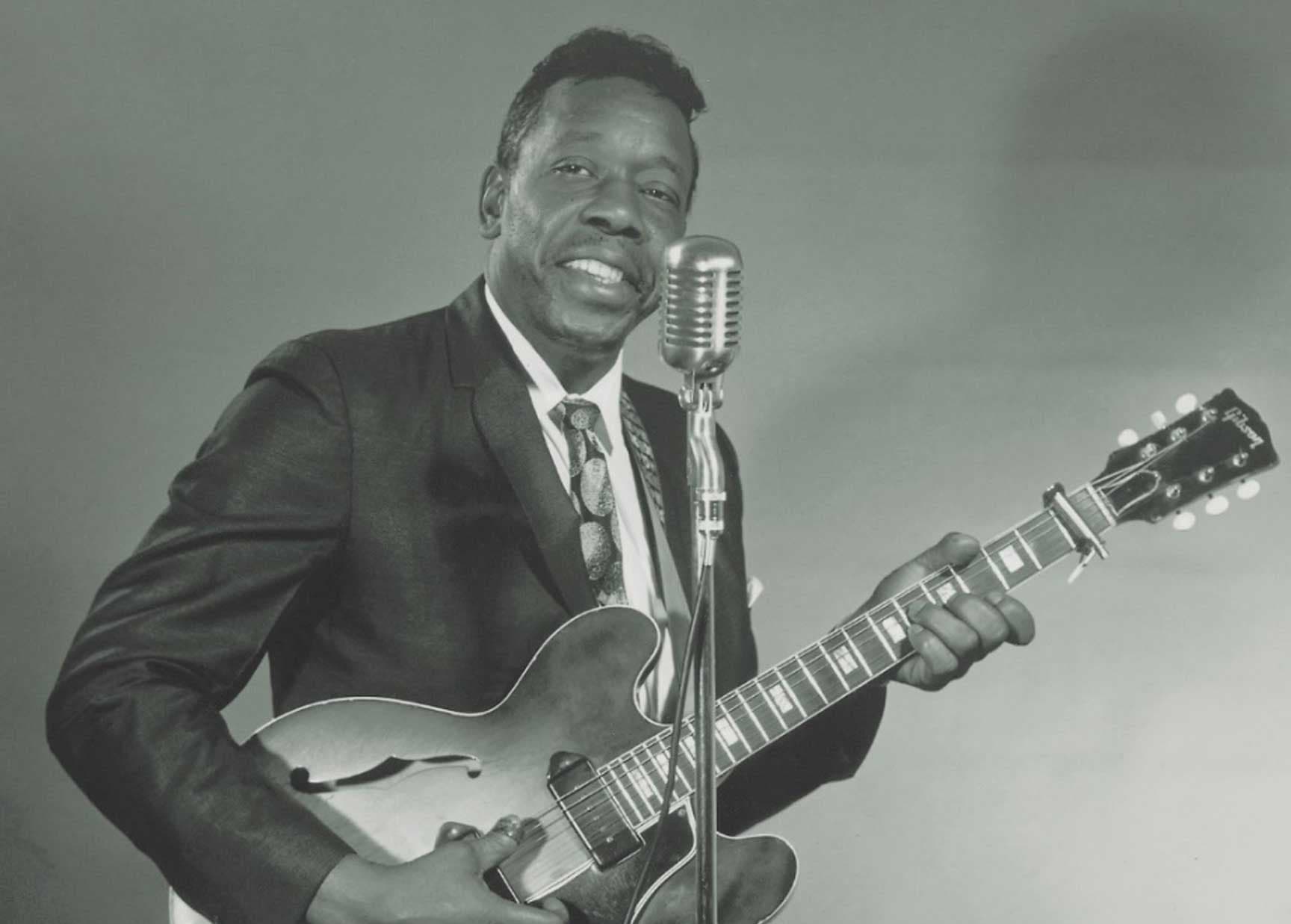
Studio Image
A microphone, a guitar, and the economy that defined the records.
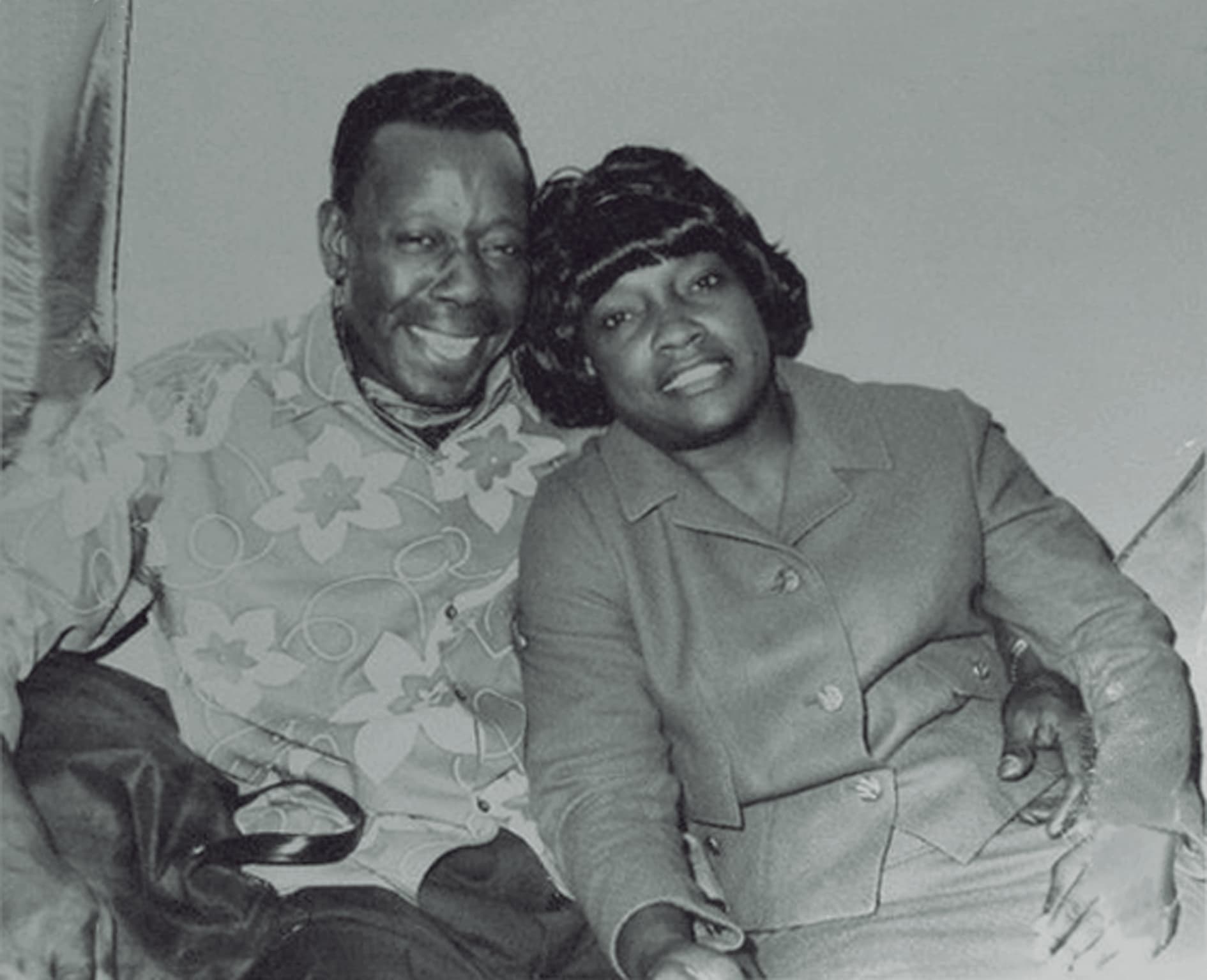
Family Archive
The public story is strongest when the personal record is protected.
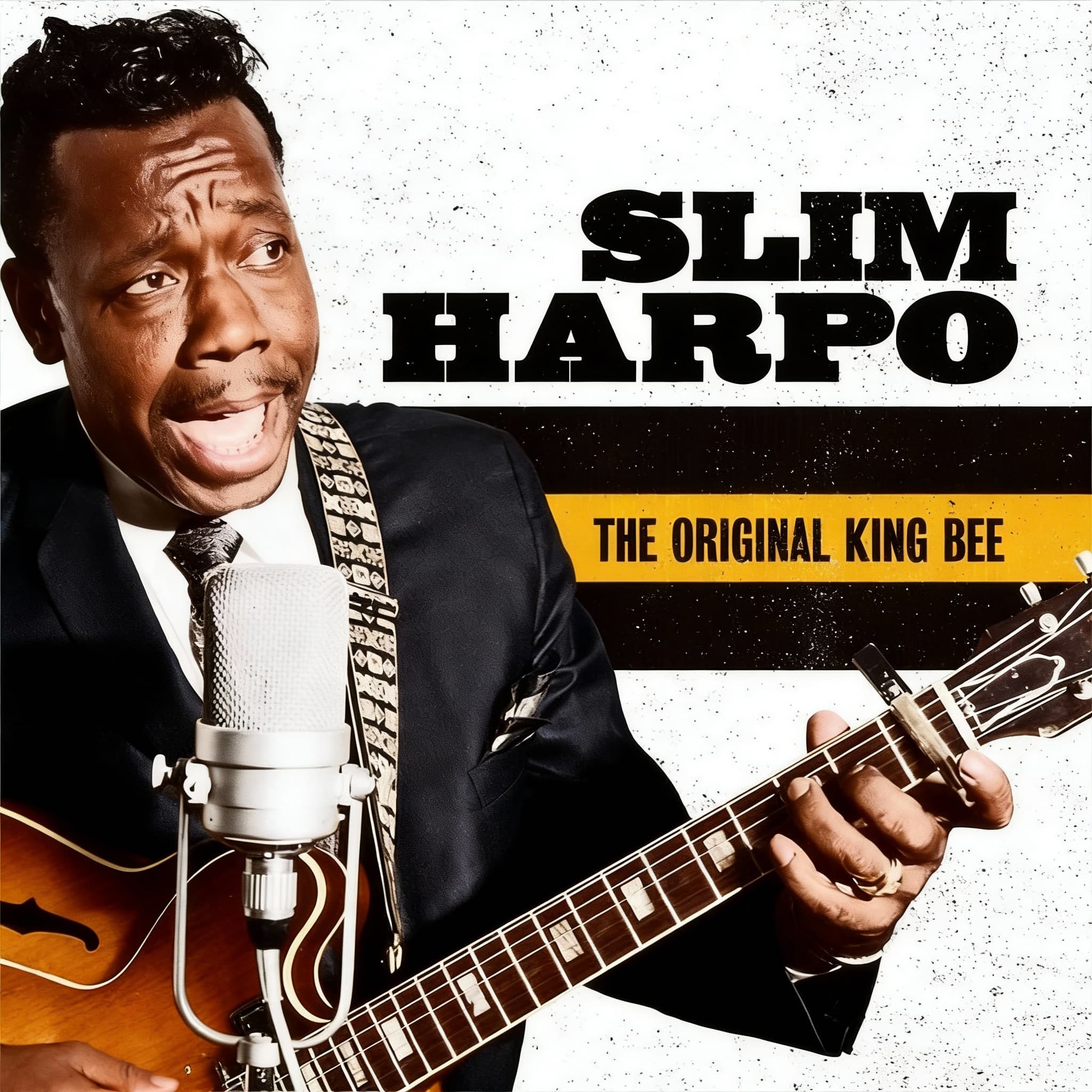
King Bee Graphic
The signature song remains one of the clearest entry points.
Born James Isaac Moore in Louisiana, Slim Harpo made music that carried the waterline of the state: steady, unhurried, bright at the edges, and deeper than it first appeared. He was part of the Baton Rouge blues world and became one of its most recognizable national voices.
His records were built from negative space: a dry vocal, a harmonica line that slipped in like smoke, guitar that served the rhythm, and arrangements that never showed off. That restraint made the songs portable. Blues fans, R&B listeners, British rock bands, and later roots musicians all found room inside them.
Artist archive
This website is built to make that legacy feel alive: a living archive, a listening guide, a cultural map, and a public invitation to keep Slim Harpo's story moving.
The facts that help a new listener understand the man, the records, and the reach.
Slim Harpo at a glance
Raised around Lobdell, Louisiana, he carried the sound of south Louisiana into national blues history.
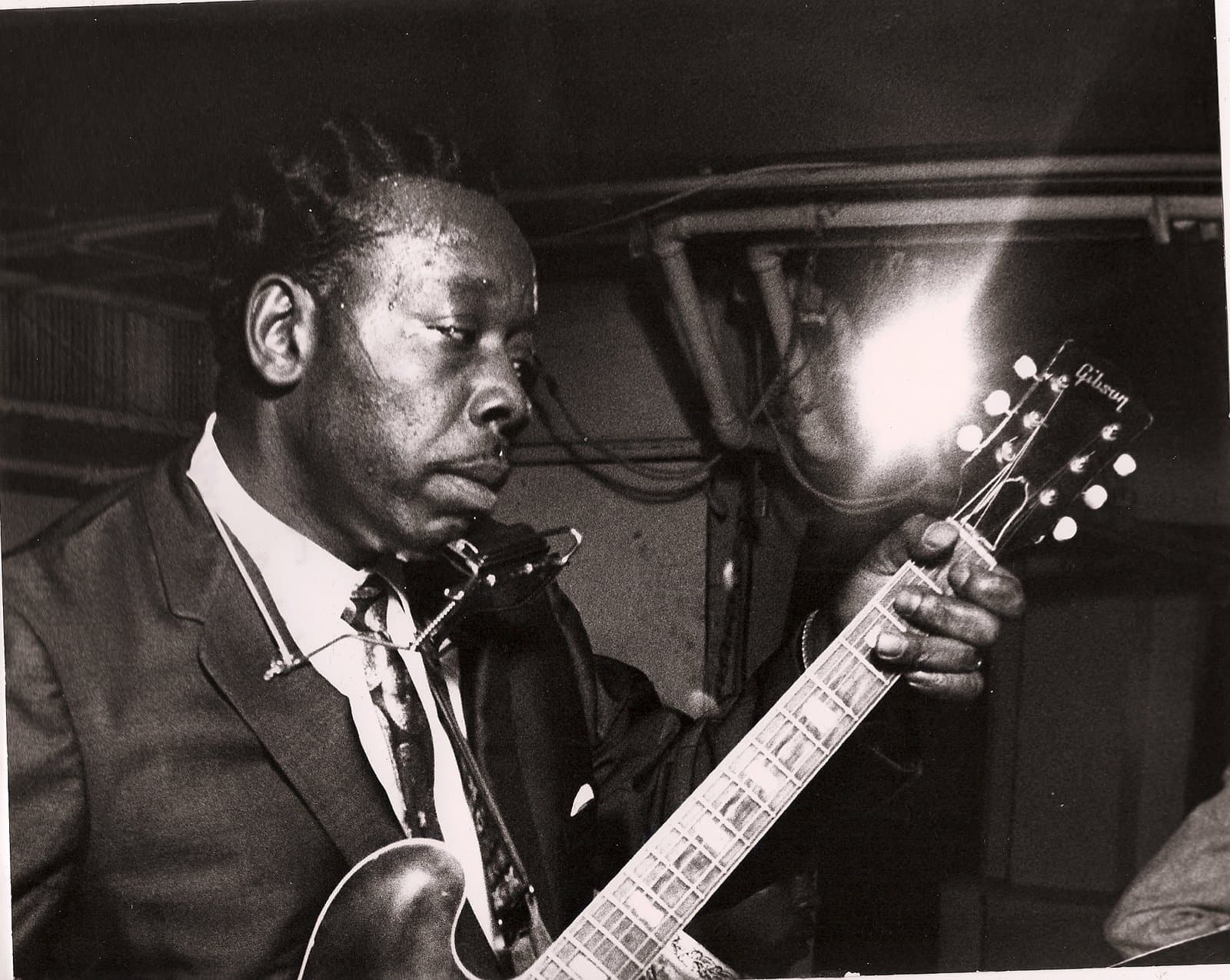
The story moves through songs, photographs, and the people still carrying the sound.
1924
James Isaac Moore entered the world in the Louisiana landscape that would shape his sound.
1957
His first Excello recordings, led by I'm a King Bee and Got Love If You Want It, carried a lean, hypnotic blues language into the wider world.
1961
Rainin' in My Heart revealed the softer side of the swamp-blues sound and helped his music reach beyond regional jukeboxes.
1964
Across the Atlantic, young blues and rock musicians began carrying his songs into club sets and studio sessions.
1966
Songs like Baby Scratch My Back and Shake Your Hips moved across blues, R&B, and rock audiences.
1970
Slim Harpo's influence continues through musicians, collectors, students, and Louisiana culture keepers.
Selected sources used to ground the public biography and guide future archive notes.